
Tuckpointing & Repointing Services
We restore deteriorating mortar joints to protect your masonry from water damage and structural failure.
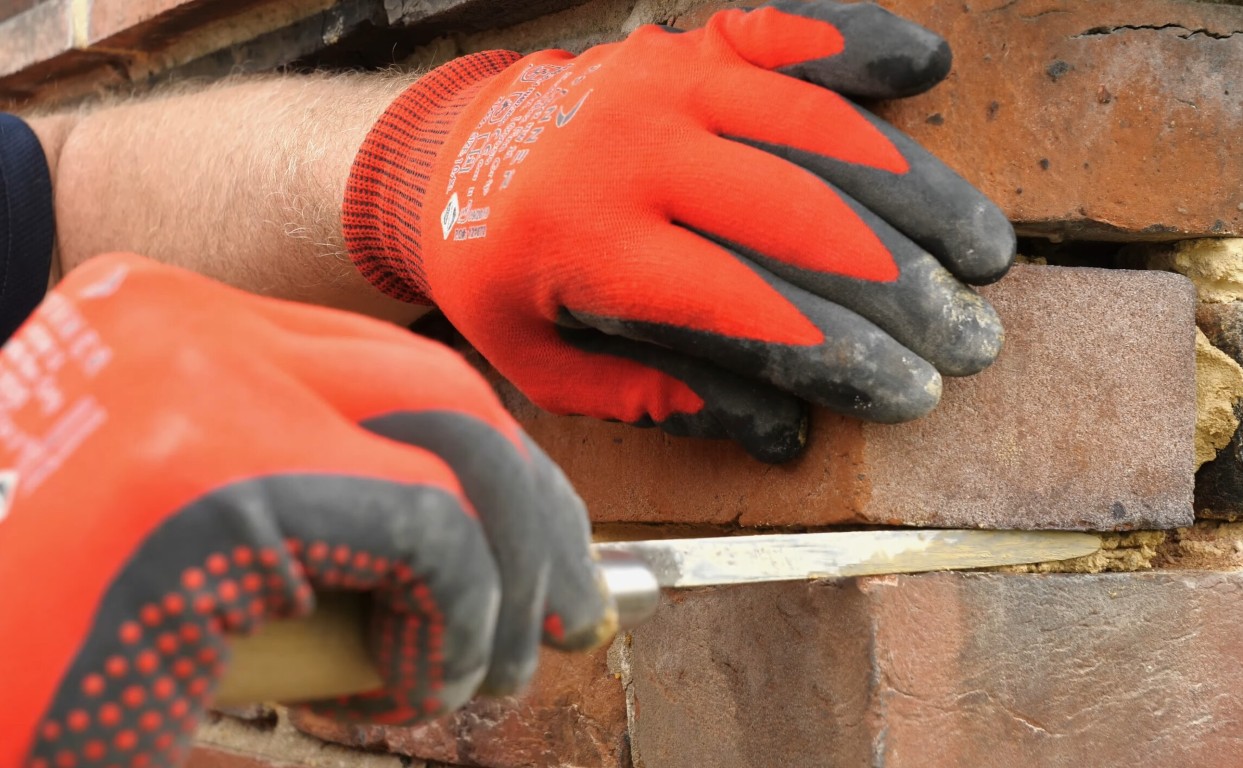
What Is Tuckpointing and Repointing?
Let's start with the basics. Your brick walls, chimney, or foundation are made up of individual bricks held together by mortar. That mortar is softer than the bricks themselves, and it's designed to take the brunt of weathering so your bricks stay intact. Over time, especially in Spokane's climate with freezing winters and wet springs, that mortar breaks down.
Repointing is the process of removing old, damaged mortar and replacing it with fresh mortar. Tuckpointing is a specific type of repointing where we create a precise, narrow groove in the center of the mortar joint and fill it with contrasting mortar for a sharp, clean look. Both techniques restore your masonry's strength and weather resistance.
Why Mortar Deterioration Happens
Mortar joints naturally wear down from constant exposure to moisture, temperature swings, and freeze-thaw cycles. Water seeps into tiny cracks in the mortar, then freezes when temperatures drop. Ice expands and cracks the mortar wider. When it thaws, more water gets in, and the cycle repeats. This is especially brutal during Spokane winters.
You'll know it's time for repointing when you see crumbling mortar, gaps between bricks, or white chalky residue on your masonry. If you ignore these signs, water penetrates deeper into your walls, causing brick damage, interior water leaks, and even structural problems. What starts as a simple mortar repair can turn into a costly brick replacement project if you wait too long.
Our Professional Tuckpointing Process
Proper tuckpointing isn't just about slapping new mortar into old joints. It requires skill, patience, and the right materials. Here's how we do it at SKA Spokane Masonry.
Step 1: Assessment and Color Matching
First, we inspect your masonry to determine how deep the damage goes and what type of mortar was originally used. Historic buildings often used softer lime-based mortars that require special replacement mixes. Modern structures typically use harder Portland cement mortars. We also analyze your existing mortar color and mix new mortar to match perfectly. You won't be able to tell where the old mortar ends and the new begins.
Step 2: Careful Removal of Old Mortar
We use specialized grinders and hand tools to carefully remove deteriorated mortar to a depth of about half an inch to one inch. This is crucial because new mortar needs enough depth to bond properly and create a weather-tight seal. We're extremely careful not to damage the edges of your bricks during this process. Rushing this step causes chipped bricks and sloppy results.
Step 3: Cleaning and Preparation
After grinding out the old mortar, we thoroughly clean the joints using compressed air and wire brushes. All dust, debris, and loose material must be removed or the new mortar won't adhere properly. We also dampen the joints with water so the dry bricks don't suck all the moisture out of the new mortar before it has time to cure.
Step 4: Precise Mortar Application
Now comes the skilled work. We pack fresh mortar tightly into the cleaned joints using specialized tools. The mortar must be compressed firmly to eliminate air pockets and ensure a solid bond. For tuckpointing, we create a narrow groove down the center of each joint and fill it with contrasting mortar for that classic historic look. The finished joints are tooled smooth to shed water and match your building's original appearance.
Step 5: Proper Curing
Fresh mortar needs time to cure properly. We protect newly repointed areas from direct sun, wind, and rain for several days while the mortar sets. Rushing this step leads to weak joints that crumble within a year or two. We only work in appropriate weather conditions and take the time needed for the mortar to reach full strength.
Benefits of Professional Tuckpointing
Investing in quality tuckpointing delivers multiple benefits that protect your property and save you money in the long run.
- •
Prevents Water Intrusion
Restored mortar joints create a waterproof barrier that keeps moisture out of your walls. This stops leaks, prevents mold growth, and protects interior finishes from water damage.
- •
Extends Masonry Lifespan
Good mortar joints protect your bricks from premature deterioration. Properly maintained masonry can last for generations instead of needing replacement within a few decades.
- •
Improves Structural Integrity
Fresh mortar joints restore strength to your masonry walls, chimneys, and foundations. This prevents bulging walls, leaning structures, and other serious structural issues.
- •
Enhances Curb Appeal
Clean, uniform mortar joints dramatically improve your building's appearance. This is especially important if you're planning to sell or if you own a historic property.
- •
Increases Property Value
Well-maintained masonry signals to buyers that your property has been cared for. Real estate agents often recommend tuckpointing before listing a home because it delivers a strong return on investment.
Whether you need tuckpointing for your home's brick facade, your chimney, or a retaining wall, we handle projects of all sizes. We've worked on everything from small residential repairs to large commercial buildings throughout Spokane. And if you're also dealing with chimney problems, our expert chimney repair services can address both the mortar joints and any structural issues.
Frequently Asked Questions
Quality tuckpointing should last 25 to 30 years or more when done correctly with the right materials. The lifespan depends on the mortar mix we use, your building's exposure to weather, and how well the work is protected during curing.
Buildings with good drainage, proper flashing, and regular maintenance get the most life out of their tuckpointing. We use proven mortar formulas designed for Spokane's climate, so you can count on long-lasting results.
Repointing is the general term for removing old mortar and replacing it with new mortar. Tuckpointing is a decorative repointing technique where we create a thin, contrasting line in the center of the joint for a more refined appearance.
In practice, many people use the terms interchangeably. What matters most is that the work is done correctly with appropriate mortar mixes and proper technique. We can explain the difference and help you decide which approach works best for your building.
Tuckpointing costs vary based on the size of your project, the condition of your existing mortar, accessibility, and whether we need scaffolding or special equipment. Most residential projects fall somewhere in the middle price range, but we can give you an exact quote after inspecting your property.
We provide detailed written estimates that break down all costs so you know exactly what you're paying for. No hidden fees, no surprises. And remember, investing in tuckpointing now saves you from much more expensive brick replacement later.