
Paver Walkways & Driveways
We install durable, attractive paver walkways and driveways that add curb appeal and handle heavy use for decades.
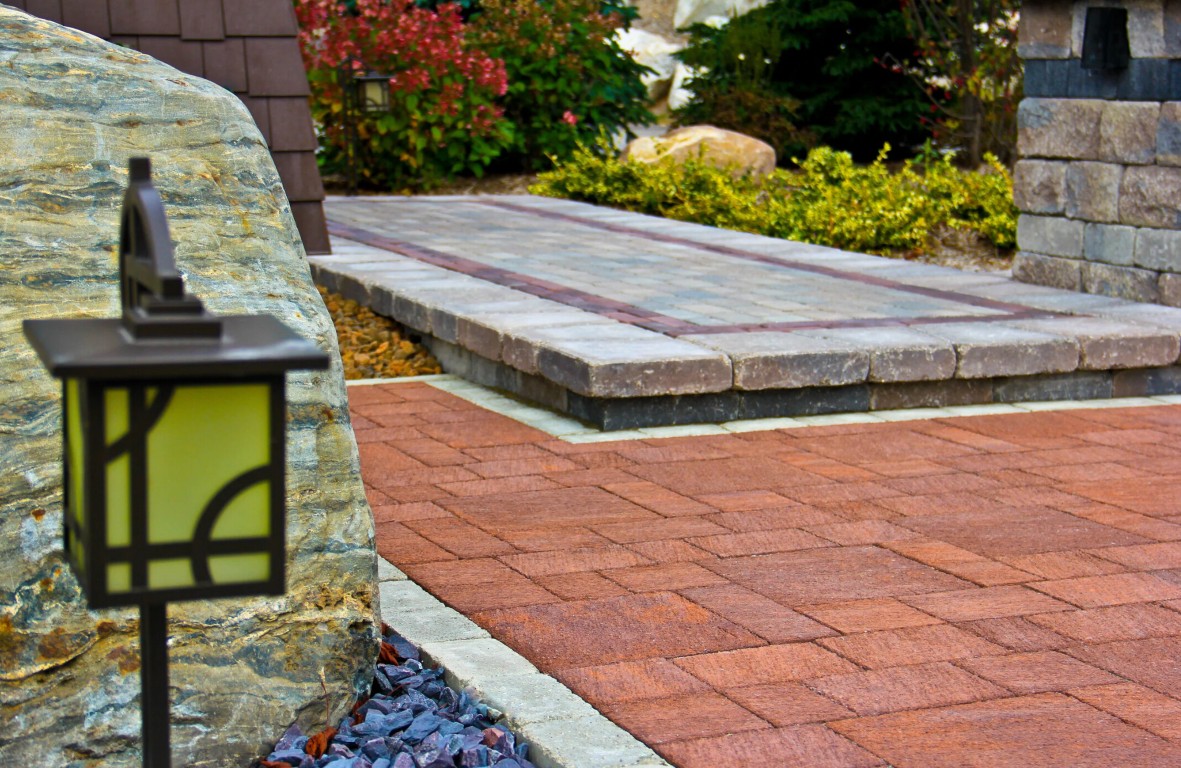
Why Choose Pavers Over Concrete or Asphalt?
When it comes to walkways and driveways, you have options. Poured concrete and asphalt are common choices, but pavers offer significant advantages that make them worth the investment. They're more durable, easier to repair, better looking, and they actually last longer than traditional paving materials.
Here's the reality: concrete cracks. Spokane's freeze-thaw cycles guarantee it. When water seeps into concrete and freezes, it expands and creates cracks. Once cracking starts, it spreads and worsens every winter. Asphalt fares even worse. It softens in summer heat, develops ruts and potholes, and needs resurfacing every few years.
Pavers are different. Individual pavers can flex and move slightly with ground movement without cracking. If one ever does crack or stain, you simply replace that single paver instead of tearing out the entire surface. And unlike concrete or asphalt, pavers don't fade or wear out. They look as good in 20 years as they do on day one.
Key Benefits of Paver Walkways and Driveways
- •Superior durability that handles freeze-thaw cycles without cracking
- •Easy repairs by replacing individual pavers instead of entire sections
- •Immediate use with no curing time required after installation
- •Unlimited design options with colors, patterns, and borders you can't get with concrete
- •Better drainage as water seeps between pavers instead of running off
- •Higher resale value compared to standard concrete or asphalt
At SKA Spokane Masonry, we've installed paver walkways and driveways throughout Spokane for both residential and commercial properties. We use proven installation techniques and quality materials that are engineered for our climate. Your paver surface will outlast concrete or asphalt by years, possibly decades.
Our Professional Installation Process
The secret to long-lasting paver surfaces is proper installation. We don't take shortcuts because we want your walkway or driveway to perform perfectly for decades. Here's our proven process.
Excavation and Site Prep
We excavate to the proper depth based on your project type. Walkways typically need 8 to 10 inches of base material. Driveways that support vehicles require 12 to 14 inches or more. We grade everything with a slight slope for drainage so water flows away from buildings and doesn't pool anywhere on the surface.
Compacted Base Installation
This is the most critical step. We install multiple layers of crushed gravel, compacting each layer with heavy plate compactors or rollers. The base must be rock solid because it carries all the load. A weak base leads to settling, sinking, and uneven surfaces within a year or two. We take the time to do this right because proper compaction is what separates professional installations from amateur jobs.
Edge Restraints
Edge restraints keep pavers from spreading outward over time. We install heavy-duty plastic or aluminum edging around the perimeter, secured with spikes driven deep into the base. This edge is hidden under the pavers and holds everything in place permanently. Without proper edge restraints, pavers gradually separate and create gaps.
Sand Bedding Layer
We spread a one-inch layer of coarse sand over the compacted base and screed it perfectly level. This sand layer allows us to fine-tune the surface and ensures each paver sits at exactly the right height. The sand also helps with drainage by letting water percolate down through the joints.
Paver Installation and Pattern Layout
Now we carefully lay each paver according to your chosen pattern. We cut pavers precisely to fit around curves, obstacles, and edges. Spacing between pavers must be consistent, typically about an eighth of an inch. We work systematically from one edge to the other, checking alignment constantly to keep everything straight and true.
Joint Sand and Compaction
After all pavers are laid, we sweep polymeric sand into the joints. This special sand contains polymers that activate when wet, binding the sand particles together. It locks the pavers in place while still allowing slight movement to prevent cracking. We compact the entire surface with a plate compactor to settle everything, then add more joint sand and compact again. This final step ensures a smooth, stable surface.
Design Options for Your Project
One of the best parts of choosing pavers is the design flexibility. You're not stuck with plain gray concrete. You can create walkways and driveways that truly enhance your property.
Colors and Textures
Modern pavers come in an incredible range of colors, from subtle grays and tans to bold reds and charcoals. You can match your home's exterior, create contrast, or blend naturally with your landscaping. Textures range from smooth and contemporary to rustic and tumbled for an aged look.
Patterns and Layouts
Herringbone patterns create classic elegance and add strength to driveways. Running bond (brick-style) layouts work well for walkways. Basket weave patterns deliver traditional charm. Circular or fan patterns make stunning focal points. We can also incorporate borders, inlays, and multi-color blends for custom designs.
Size and Shape Options
Pavers come in many sizes and shapes. Large format pavers create clean, modern lines. Traditional brick-sized pavers offer timeless appeal. Irregular shapes can create natural stone looks. We'll help you choose the right size and shape for your project's scale and style.
Whether you need a simple front walkway, a grand driveway entrance, or a complex design with curves and patterns, we have the expertise to make it happen. We also coordinate perfectly with other projects like custom patio installations, so your entire outdoor space has a cohesive look. And if you're dealing with drainage issues or slopes, our retaining wall services integrate beautifully with walkway and driveway projects.
Frequently Asked Questions
Absolutely. Quality concrete pavers are engineered to handle vehicle traffic, including heavy trucks. They're typically three to four times stronger than poured concrete. The interlocking design distributes weight across multiple pavers, preventing cracking under load.
We use pavers specifically rated for driveway applications and install them over a properly engineered base. Your paver driveway will easily support cars, SUVs, and even delivery trucks without any problems. Many commercial parking lots use pavers because of their superior strength.
Pavers are remarkably low maintenance. Sweep them occasionally to remove debris. Rinse with a garden hose when they get dirty. If weeds appear between pavers, pull them or use weed killer. Every few years, you might need to add more joint sand if it washes out.
For driveways, you can optionally apply a sealer every few years to enhance color and make cleaning easier, though it's not required. Avoid using metal snow shovels or ice melt products with harsh chemicals. That's really all the maintenance pavers need. They're far easier to care for than concrete or asphalt.
Paver projects cost more upfront than basic concrete, but they deliver better value over time. Costs depend on project size, paver type, pattern complexity, site conditions, and preparation needs. Driveways cost more than walkways due to the heavier base requirements.
We provide detailed estimates after evaluating your property. Consider that pavers last longer, need fewer repairs, add more value, and never need replacement like asphalt does. When you factor in the full lifespan, pavers often cost less than repeatedly replacing concrete or resurfacing asphalt.