
Retaining Wall Design & Installation
We build retaining walls that hold back soil, prevent erosion, and transform sloped yards into usable outdoor space.
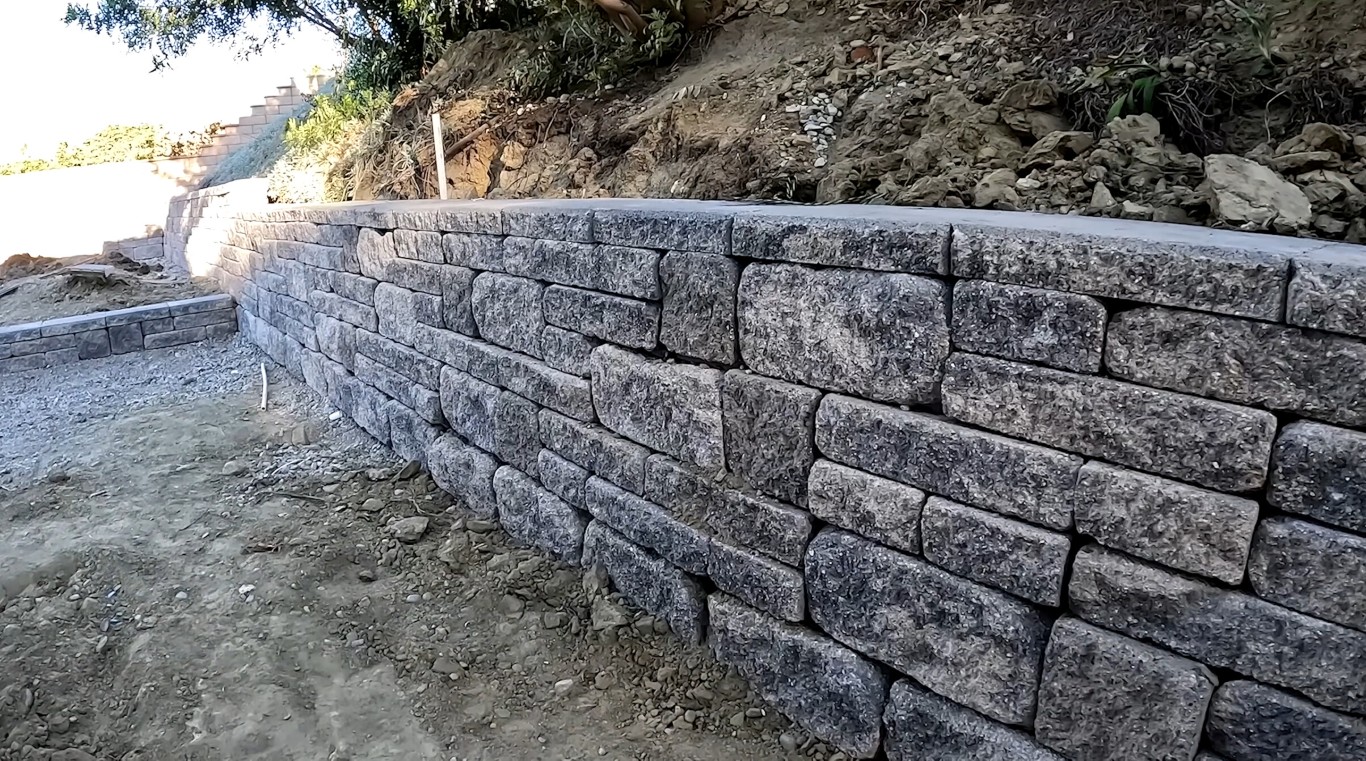
Why You Need a Retaining Wall
If your property has any kind of slope, you're dealing with constant pressure from soil trying to slide downhill. Over time, this causes erosion, water runoff problems, and even foundation damage. A properly designed retaining wall holds that soil in place and gives you control over your landscape.
Retaining walls do more than just prevent erosion. They create level areas for patios, gardens, driveways, and walkways. They protect your home's foundation from soil movement. They channel water away from problem areas. And when designed well, they add serious curb appeal and property value.
Here in Spokane, we see plenty of hillside properties and uneven lots. Heavy spring rains and winter freeze-thaw cycles make erosion control especially important. Without a retaining wall, you're constantly fighting mudslides, washouts, and drainage issues. A well-built wall solves these problems permanently.
Common Retaining Wall Applications
- •Creating level terraces on sloped yards for gardens, lawns, or outdoor living areas
- •Preventing soil erosion on hillsides and embankments
- •Protecting foundations from soil pressure and water infiltration
- •Managing water drainage to redirect runoff away from structures
- •Building raised planting beds for better soil drainage and easier gardening
- •Supporting driveways and parking areas on sloped properties
The key is building your wall correctly from the start. We see plenty of failed retaining walls around Spokane, walls that are leaning, cracking, or collapsing because they weren't designed or built properly. At SKA Spokane Masonry, we take the time to engineer each wall for the specific conditions of your property. That means your wall stays strong and functional for decades.
Our Design and Installation Process
Building a retaining wall isn't just stacking blocks or stones. It requires careful planning, proper drainage design, and solid construction techniques. Here's how we approach every project.
Step 1: Site Assessment and Engineering
We start by evaluating your property's slope, soil type, drainage patterns, and the height of wall you need. These factors determine what type of wall will work best and how we need to engineer it. Taller walls require more substantial foundations and drainage systems. Clay soils create more lateral pressure than sandy soils. We calculate all of this so your wall can handle the forces acting on it.
Step 2: Material Selection
We offer several material options depending on your budget, aesthetic preferences, and structural requirements. Natural stone creates a timeless, rustic look. Concrete block systems are cost-effective and available in many colors and textures. Brick offers traditional elegance. We'll explain the pros and cons of each option and help you choose the right material for your project.
Step 3: Excavation and Foundation Prep
A retaining wall is only as good as its foundation. We excavate a level trench and create a compacted gravel base that provides drainage and stability. The base must be below the frost line to prevent heaving during winter freezes. We use laser levels and precision grading to ensure everything is perfectly level and properly sloped for drainage.
Step 4: Drainage System Installation
This step is critical and often skipped by amateur builders. Water buildup behind a retaining wall creates enormous pressure that can cause collapse. We install drainage pipes, filter fabric, and gravel backfill that allow water to flow through and away from the wall. Proper drainage extends your wall's life from years to decades.
Step 5: Wall Construction
Now we build the wall itself, carefully setting each stone or block with the correct slope and alignment. Retaining walls typically lean slightly back into the hillside to counter soil pressure. We use deadman anchors or tiebacks for taller walls that need extra holding power. Each course is level and properly compacted as we go.
Step 6: Backfilling and Finishing
Once the wall is complete, we backfill behind it with free-draining gravel and soil, compacting in layers to prevent settling. We grade the area above the wall to direct surface water away from the edge. Finally, we clean up the job site and add any finishing touches like capstones or landscaping integration.
Signs Your Retaining Wall Is Failing
If you already have a retaining wall that's showing problems, don't wait until it collapses. Failing retaining walls can cause significant property damage and create dangerous conditions. Here are the warning signs to watch for.
Leaning or tilting means the wall is losing its battle with soil pressure. Cracks in the wall indicate structural stress or foundation movement. Bulging sections show that pressure is building up behind the wall. If you see gaps opening between blocks or stones, the wall is moving. Water pooling at the base suggests drainage problems. And if the wall is separating from adjacent structures, immediate repair is needed.
We repair and rebuild failed retaining walls throughout Spokane. Sometimes we can reinforce an existing wall with tiebacks or improved drainage. Other times a complete rebuild is the safest option. We'll assess your situation honestly and recommend the most cost-effective solution that actually solves the problem.
Whether you need a brand new retaining wall or repairs to an existing one, we bring the same level of expertise to every job. We've built walls from three feet to over fifteen feet tall, using everything from natural fieldstone to modern concrete block systems. And if you're also looking to enhance your outdoor space, our custom patio installation services pair perfectly with retaining wall projects. For properties with brick structures needing attention, we also offer comprehensive brick repair and restoration to keep your entire property in top condition.
Frequently Asked Questions
In Spokane, retaining walls over four feet tall typically require a building permit and engineered plans. Even shorter walls may need permits if they're supporting a building, located near a property line, or part of a larger grading project. Local regulations vary, so it's important to check.
We're familiar with Spokane's permit requirements and can help you navigate the process. If your project needs engineered plans, we work with qualified structural engineers who design walls that meet all code requirements.
Retaining wall costs depend on the wall height, length, materials, site accessibility, and soil conditions. A basic concrete block wall costs less than a natural stone wall. Taller walls require more engineering and materials. Difficult access or challenging soil increases labor costs.
We provide detailed written estimates after evaluating your property. We'll explain all costs upfront so you can make an informed decision. While retaining walls are an investment, they prevent far more expensive problems like foundation damage and erosion.
Most residential retaining wall projects take anywhere from a few days to two weeks, depending on size and complexity. A simple 20-foot wall might be done in three or four days. A large terraced wall system with multiple levels takes longer.
Weather also affects our timeline since we need dry conditions for proper foundation work and backfilling. We'll give you a realistic schedule before we start and keep you updated throughout the project. Quality construction takes time, and we never rush critical steps like drainage installation or compaction.