
Foundation Repair
Address foundation cracks and structural movement before water damage compounds the problem.
Learn more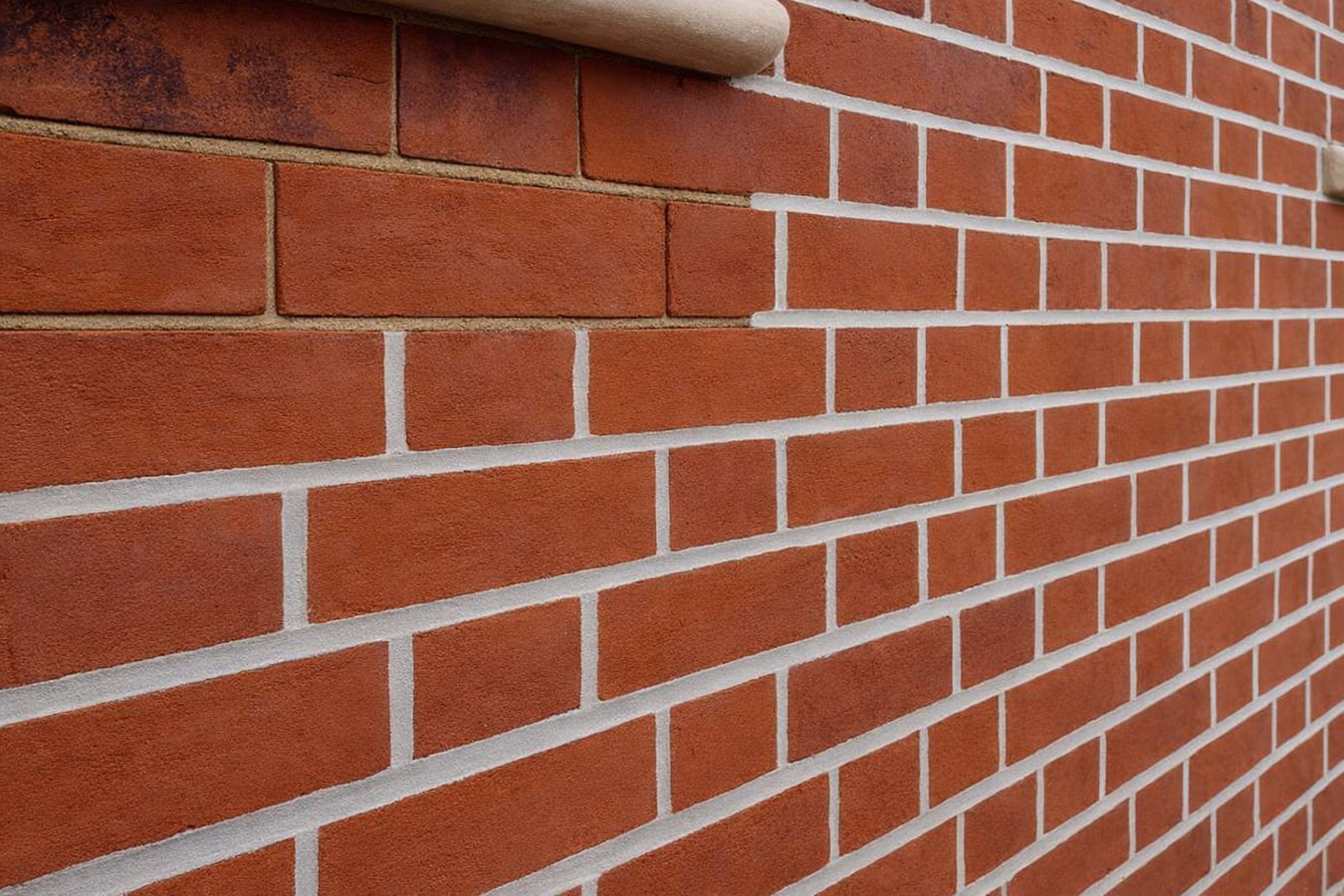
Crumbling mortar joints let Spokane winters push water into your walls. We remove the damaged material to the correct depth and replace it with a mortar mix matched to your brick so the repair actually holds.
Brick pointing in Spokane removes crumbling or failed mortar from between your bricks and replaces it with fresh material matched to your brick type. Most projects take one to five days for a typical home, though a large older exterior or a chimney that needs scaffolding may run longer. The goal is a fully sealed joint that keeps water out through Spokane winters.
Mortar is designed to be softer than brick so it absorbs movement and moisture. Most mortar lasts 25 to 50 years while the bricks themselves can survive well over a century. If your Spokane home was built before 1960, there is a good chance the original mortar is at or past the end of its life. The freeze-thaw cycle here accelerates that wear, so Spokane homeowners often need repointing sooner than the national average suggests. In some cases, a related service like foundation repair is needed alongside repointing if settling or water intrusion has gone beyond the joints alone.
The work happens entirely on the outside of your home, so there is no need to leave or rearrange your schedule. You will hear grinding and chiseling during the removal phase, and the crew will need access to the wall for ladders or scaffolding. Other than that, your daily routine can continue as normal.
Run a finger along the mortar joints on an exterior wall. If the mortar feels soft, crumbles away, or you can see gaps where it has pulled back from the brick face, repointing is overdue. Healthy mortar should feel firm and solid, not flake or powder when you press on it.
White or grayish streaks running down brick walls after rain are called efflorescence. They mean water is moving through your mortar and carrying minerals to the surface. In Spokane, these streaks often appear in spring after the freeze-thaw cycle has worked on the wall all winter. It is a warning sign, not an emergency, but the joints need attention soon.
Cracks that run diagonally or follow a stair-step pattern along the mortar joints are often caused by gradual soil movement. In Spokane, where some neighborhoods sit on shifting loess soils, this kind of cracking is common in older homes. A mason can tell you whether it is cosmetic or something that needs a structural look first.
If you notice moisture, peeling paint, or water stains on interior walls that share a surface with exterior brick, water may already be getting through failed mortar joints. This is more urgent than surface cracking. Water inside the wall can damage insulation and wood framing over time. Do not wait on this one.
We handle the full range of repointing work, from a single damaged chimney to a complete exterior refresh on a large older home. Every job starts with the same first step: we determine the right mortar mix for your specific brick before any old material is removed. For homes in Spokane's older neighborhoods, that often means a lime-heavy mix that matches the original. Using too hard a modern mortar on century-old brick is one of the most common mistakes in the trade, and we do not make it. If your brick structure also has cracking or movement issues beyond the joints, our foundation repair team can assess whether the underlying structure needs attention before or alongside the pointing work.
For homeowners whose walls have decorative joint work or are visible from the street, our tuckpointing service applies a two-color mortar finish that sharpens the appearance of the joints and gives brick walls a clean, crisp look. Tuckpointing is common on front-facing walls where appearance matters as much as function. We can recommend which approach fits your project during the estimate visit.
Best for older brick homes where the mortar across most of the exterior has reached the end of its life and needs a complete refresh.
Suited to homeowners who notice crumbling joints or efflorescence on the chimney specifically, often after a wet spring or hard winter.
The right choice when only a section of wall or a specific area shows damage and the rest of the mortar is still in good shape.
Designed for pre-1960 homes in Spokane's older neighborhoods where the original lime-heavy mortar must be matched to protect the bricks.
Spokane averages around 25 days per year where temperatures swing above and below freezing in a single day, and overnight lows below 20 degrees are common through January and February. Every time water trapped in a mortar joint freezes, it expands slightly. Over years, that repeated expansion breaks mortar down faster than in milder climates. Spokane homeowners often need repointing sooner than the 25-to-50-year national average, and it is worth inspecting your brick every few years rather than waiting for obvious damage. Homeowners in Spokane Valley face the same freeze-thaw exposure and the same risks from deferred mortar maintenance.
Spokane's older neighborhoods, including South Hill, Browne's Addition, and the Garland District, have a large share of brick homes built between the 1910s and 1950s. The mortar used in those homes was often a lime-heavy mix that behaves differently from modern Portland cement-based mortar. Matching the new mortar to the original is not optional on these homes. If you are in one of these historic areas and not sure what your home needs, homeowners in Post Falls and similar communities with older brick stock ask the same questions, and we are familiar with the materials and techniques those homes require.
Additional resources: NPS Preservation Brief 2 - Repointing Historic Masonry | Brick Industry Association | NWS Spokane Climate Data
We reply within one business day. Describe where you are seeing damage and send a few photos if you can. This helps us come to your property prepared and give you a more accurate estimate on arrival.
We walk the wall or chimney with you, check joint depth and brick condition, and look for signs of deeper problems. You receive a written estimate that specifies the area being repointed and total cost so you can compare quotes accurately.
We grind or chisel out the old mortar to the correct depth, mix fresh mortar matched to your brick type, and pack each joint by hand. Most jobs wrap in one to five days depending on area. Debris is cleaned up at the end of each work day.
We walk the finished wall with you before we leave. Fresh mortar needs 48 hours before it gets wet and several weeks to reach full strength. We tell you what to avoid during that window, especially important before Spokane's first fall freeze.
No obligation. We walk your wall with you, show you exactly what needs attention, and give you a written quote you can compare.
(509) 418-9962The most common failure in cheap repointing is applying new mortar over old material without removing the damaged layer first. This looks fine for a year and then falls out. We remove at least three-quarters of an inch of old mortar on every joint before packing in fresh material. In Spokane's freeze-thaw climate, that depth is what separates a repair that holds for 20 years from one that needs redoing in two.
South Hill, Browne's Addition, and the Garland District have a significant share of homes built between the 1910s and 1950s. Those older bricks need a softer, lime-rich mortar mix, not the harder modern formula used for new construction. We assess your brick type before mixing anything. Using the wrong mix can crack bricks that have survived a century, and that is a far more expensive repair than the repointing itself.
We have repointed brick on homes from the South Hill to the North Side and throughout Spokane Valley. That local volume means we know which neighborhoods have the oldest brick, what mortar profiles are common in each era of construction, and how Spokane's specific climate affects joint life. Local experience translates directly into better decisions on your project.
For homes in or near Spokane's historic districts, we follow the National Park Service Preservation Brief standards for repointing historic masonry. These guidelines protect older brick from well-intentioned but damaging repairs. Homeowners in designated districts may have specific requirements, and we know how to navigate that process without delays.
We are registered with the Washington State Department of Labor and Industries and carry full liability coverage on every job. You can verify our standing on the L&I contractor lookup before you sign anything. Between the mortar expertise and the local track record, we give Spokane homeowners a straightforward, no-surprise path from assessment to finished wall.
Address foundation cracks and structural movement before water damage compounds the problem.
Learn moreTwo-color mortar finish work that sharpens the appearance of brick joints on decorative and visible walls.
Learn moreFreeze-thaw damage gets worse every season. Reach out now to lock in your appointment before the schedule fills and your walls face another hard winter unprotected.